
A global spinal epidemic — underserved and underdiagnosed.
Spinal disorders are the leading cause of disability worldwide. The infrastructure meant to diagnose them has not kept pace.
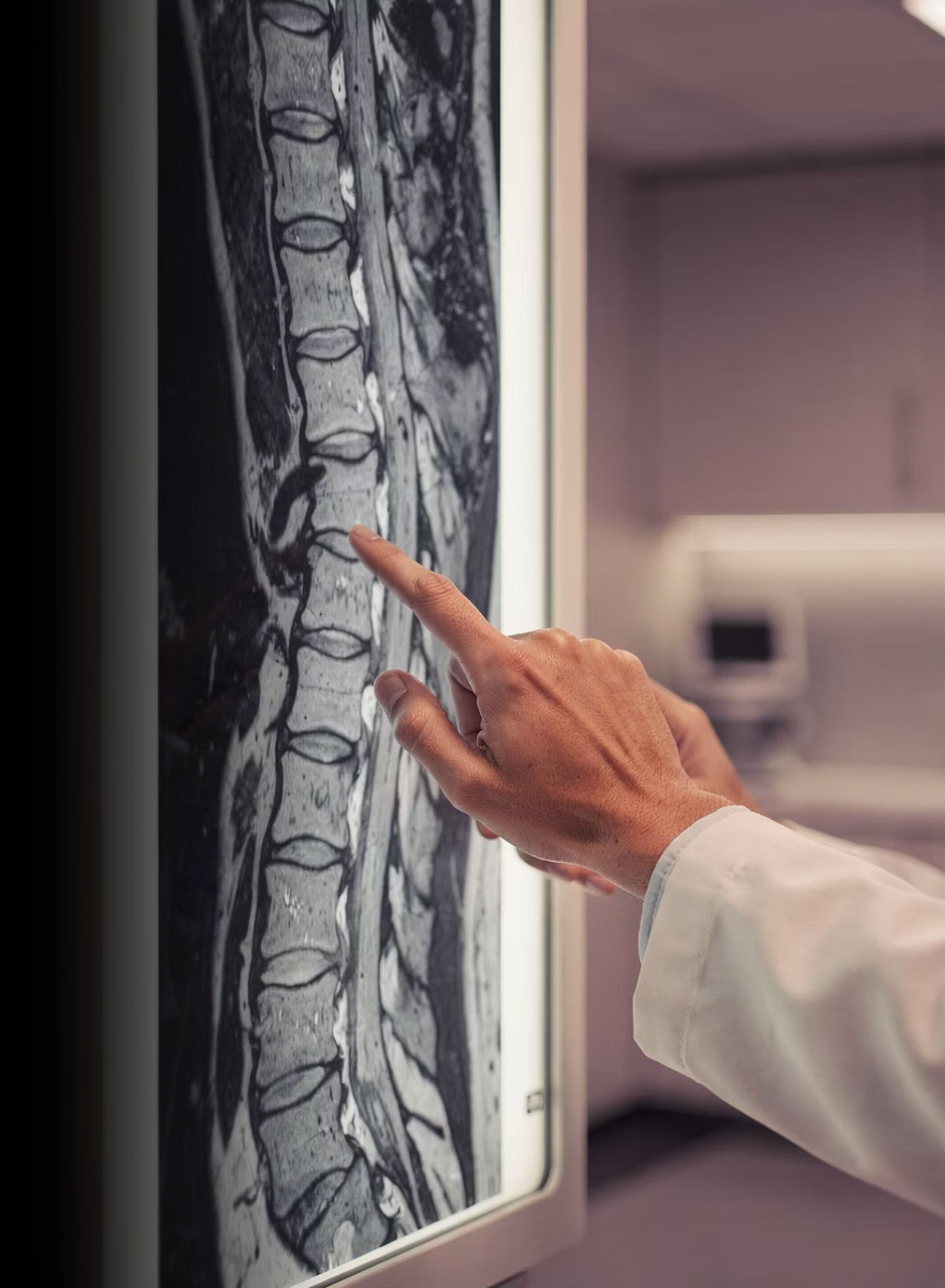
Three numbers that frame it.
people were living with low back pain in 2020 — the leading cause of disability worldwide.
Source: World Health Organization
live with a musculoskeletal condition, the largest single contributor to years lived with disability.
Source: World Health Organization
projected size of the spinal surgery market by 2035, up from $44.6bn in 2024.
Source: Market Research Future
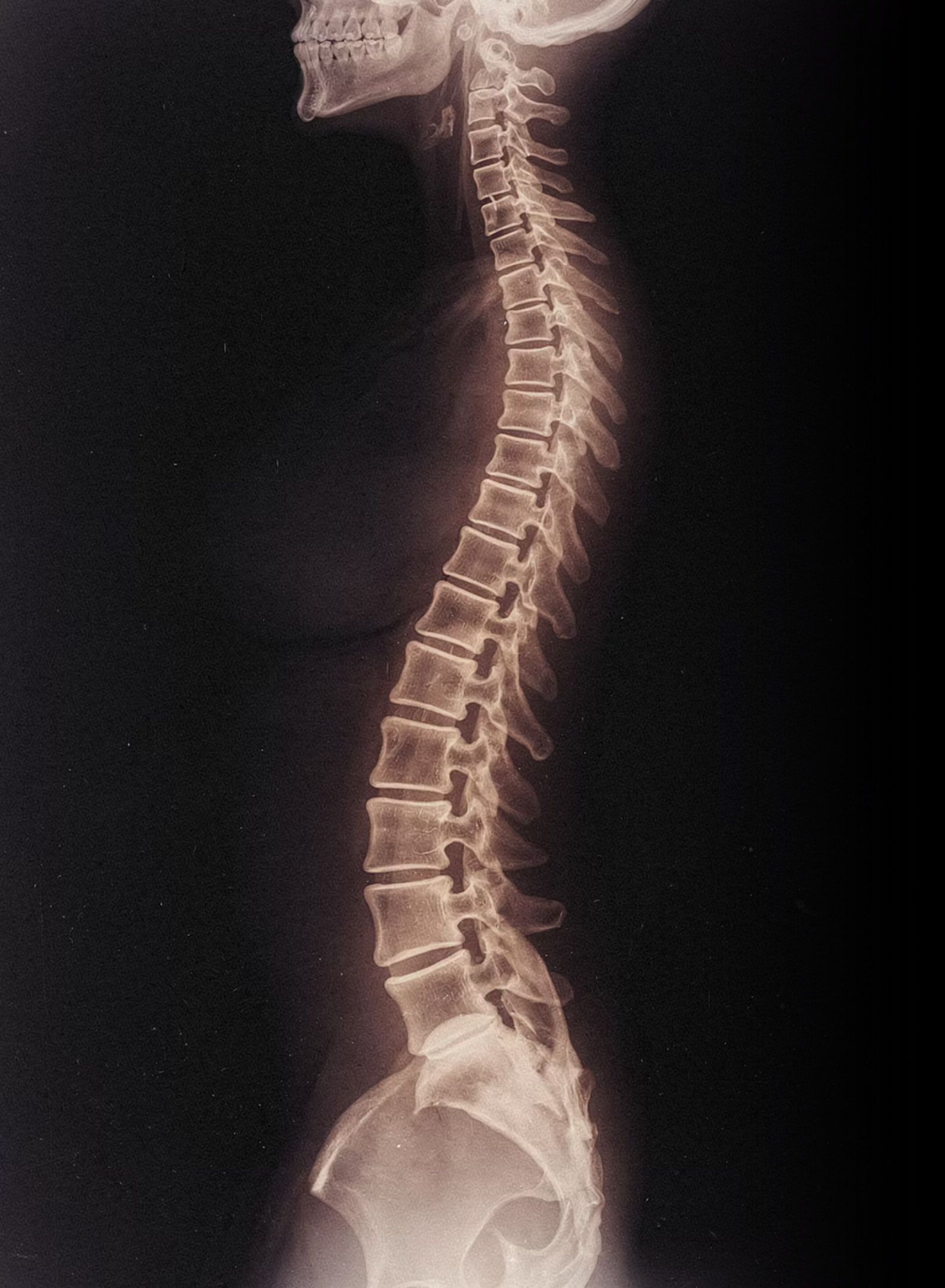
Five systemic failures in today's spine workflow.
Radiology overload
Radiologists are overwhelmed. Diagnostic queues delay time-sensitive spine decisions, and every hour of delay carries risk.
Diagnostic variability
Inconsistent grading between clinicians leads to misdiagnosis and unnecessary surgery — outcomes that harm patients and inflate system costs.
Specialist bottlenecks
Spine surgeons lack structured pre-operative data. Decisions are made on incomplete clinical pictures.
Data fragmentation
Imaging, clinical notes and outcomes sit in disconnected silos. No layer exists to synthesise them into guidance.
The loop never closes
What actually happens to the patient — worsening, stabilisation, surgery and its result — is almost never linked back to the image that preceded it. The most valuable information in the pathway is also the only one nobody keeps.
Where the space is genuinely open.
Spinal surgery market
Projected to grow, driven by ageing populations and rising surgical volumes worldwide.
Image reading is already taken
AI image reading has become a standard: many tools are already certified. That is not where the missing value lies.
What is missing everywhere
No tool links a patient's image to how they actually evolve over time. Without that data, no prediction is possible — and none exists today.
Longitudinal spine data — the same spine, seen again years later, with what happened in between — exists nowhere at clinical scale. That is what we are building.